


The Difference Between Hot and Cold Storage
페이지 정보

본문
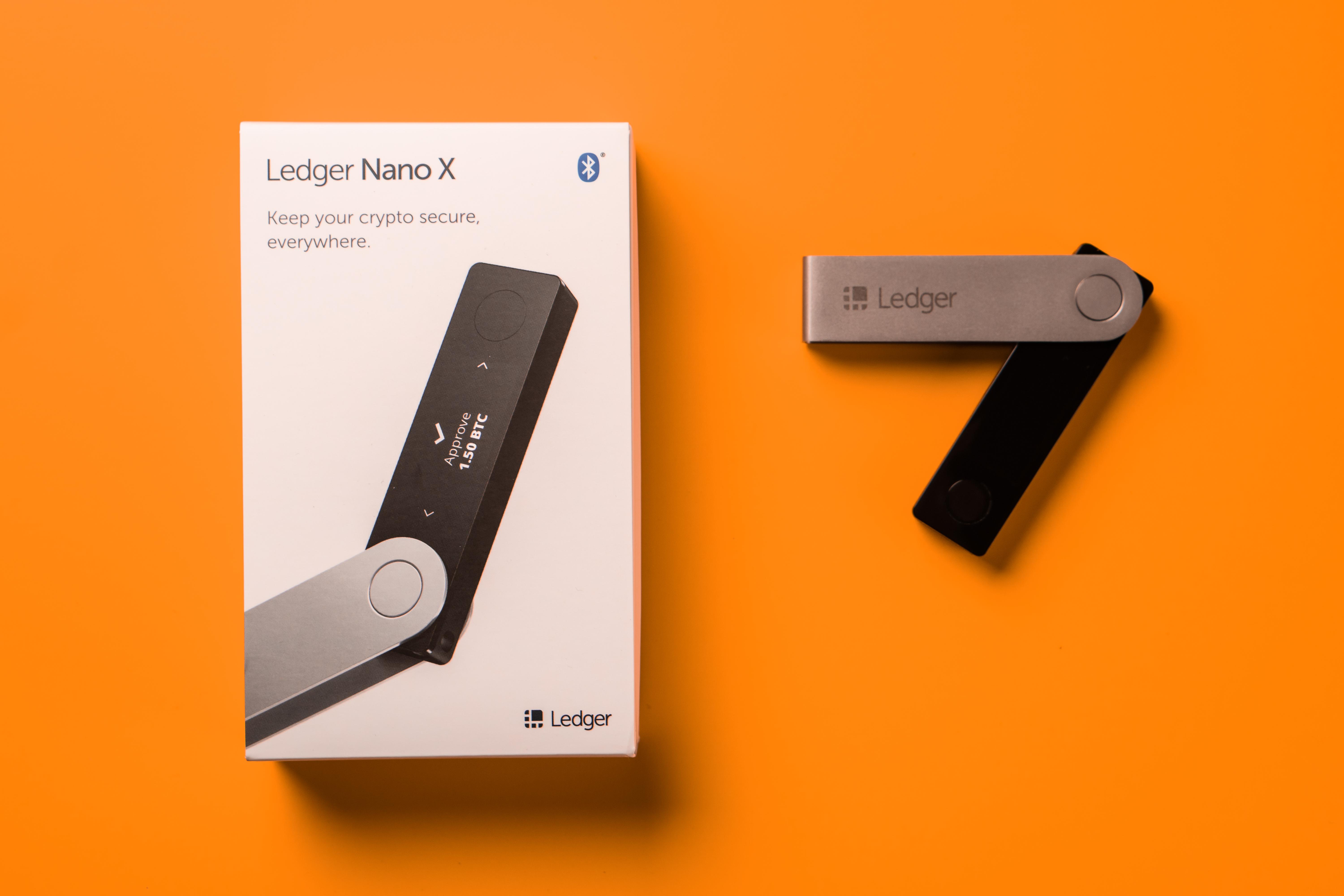
When it comes to safeguarding digital assets like cryptocurrencies, the choice between hot and cold storage isn’t just a technical detail — it’s a fundamental decision that can determine the safety of your holdings. Hot storage refers to any wallet or system connected to the internet, whether it’s a mobile app, a desktop program, or an exchange account — these are designed for convenience and speed, allowing users to send, receive, and trade assets with minimal delay. Because they’re always online, they offer instant access, which is perfect for frequent traders or those who need to make regular transactions — however, that constant connectivity also makes them more vulnerable to hacking, phishing, and other forms of cyberattack. This exposure leaves them susceptible to malware, credential theft, bitbox review and automated bot attacks
Cold storage, on the other hand, keeps private keys completely offline. Cold storage solutions range from dedicated hardware devices and printed mnemonic phrases to encrypted flash drives kept in vaults — since these devices never connect to the internet, they are immune to remote breaches, making them far more secure against digital threats. Their air-gapped design renders them impervious to network-based intrusions — many serious investors use cold storage as their primary method for holding long-term assets, especially when the value involved is substantial. Those with significant holdings often store 90% or more of their assets offline to mitigate risk — the tradeoff is accessibility — Retrieving funds stored offline involves deliberate, multi-step procedures that intentionally slow down access — which can be inconvenient for daily use.
The real difference between the two isn’t just about security versus convenience — it’s about risk management. Visualize hot storage as the wallet in your pocket — meant for small, frequent spending — and cold storage as a safe deposit box at the bank, where you store your heirlooms and savings. Cold storage is the vault where you keep your most valuable assets, untouched except in emergencies — most savvy users adopt a hybrid approach, Allocating a minor fraction online for daily use, while locking away the majority offline — this balances usability with protection, Minimizing risk while preserving the ability to transact quickly
It’s also important to consider how you manage your cold storage. Even the most secure hardware wallet is only as safe as its backup — Recording your seed phrase with permanent ink on acid-free paper, then locking it in a climate-controlled safe is non-negotiable — if that paper is lost or damaged, the assets are permanently inaccessible. Losing the backup means losing access forever — no customer support, no recovery option — similarly, Digitizing your cold storage backup on any internet-accessible medium reintroduces the very risks you sought to eliminate
Ultimately, understanding the distinction between hot and cold storage empowers you to make informed decisions based on your behavior, risk tolerance, and the value of your holdings. Neither hot nor cold storage alone suffices — a balanced, layered approach delivers optimal protection and usability — When used in tandem, hot and cold storage form a dynamic, adaptable security ecosystem that evolves with your needs
- 이전글All Pragmatic Play Games In One Place: High quality vs Quantity 26.04.25
- 다음글Facts, Fiction and Play Pragmatic Play Slots Online – Demo + Cash 26.04.25
댓글목록
등록된 댓글이 없습니다.


